2026 Economic Forecast: 2.5% GDP Growth & Sector Shifts
Advertisers
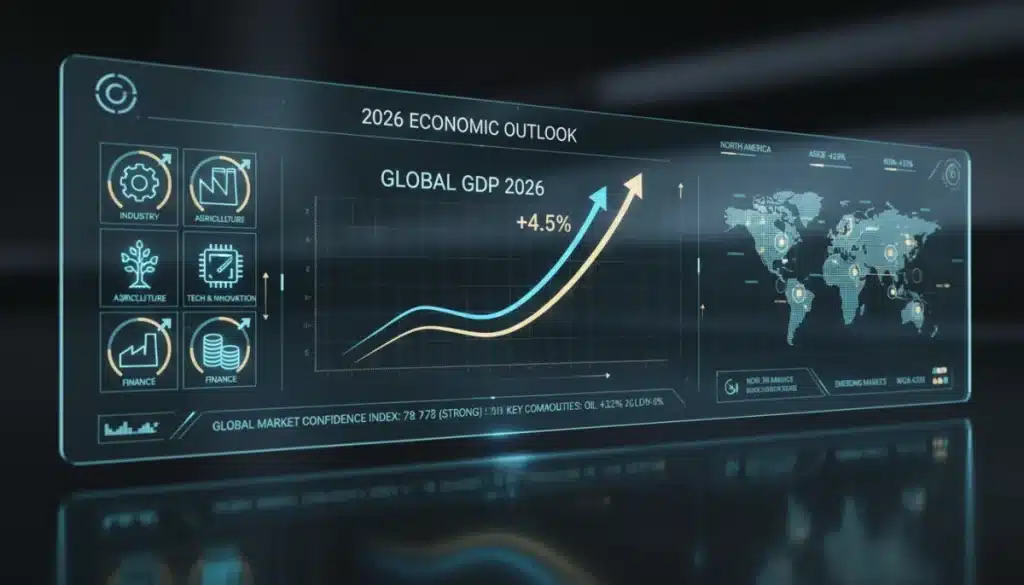
The 2026 economic forecast anticipates a 2.5% GDP growth, propelled by technological innovation and evolving consumer patterns, with significant shifts expected in key sectors like artificial intelligence and sustainable energy.
Advertisers
The global economy is a constantly evolving tapestry, shaped by a myriad of forces ranging from technological breakthroughs to geopolitical shifts. As we look towards the horizon of 2026, economists and analysts are piecing together a comprehensive picture of what lies ahead. The consensus points to a moderate yet resilient expansion, with the 2026 economic forecast predicting a 2.5% GDP growth. This projection, while seemingly modest, underscores a period of significant transformation, where traditional economic drivers are being reshaped by innovation and new challenges.
Understanding the 2.5% GDP Growth Projection
The anticipated 2.5% GDP growth for 2026 is a carefully calculated figure, reflecting a balance of ongoing recovery from recent global disruptions and emerging economic headwinds. This growth rate suggests a steady, rather than explosive, expansion, allowing economies to consolidate gains and adapt to new realities. Several factors contribute to this outlook, including persistent inflation, evolving monetary policies, and a cautious consumer sentiment.
Advertisers
Economists from leading institutions emphasize that this growth will not be uniform across all regions or sectors. Developed economies are expected to maintain a stable, albeit slower, growth trajectory, while emerging markets may experience more volatile, yet potentially higher, growth rates. The interplay between global trade dynamics and domestic policy decisions will be crucial in determining the actual outcomes.
Key Drivers of Economic Expansion
Several fundamental elements are poised to fuel economic expansion in 2026. These include continued, albeit tempered, consumer spending, strategic infrastructure investments, and a steady increase in private sector innovation. Government policies aimed at fostering economic stability and encouraging investment also play a pivotal role.
- Consumer Resilience: Despite inflationary pressures, consumer spending is expected to remain a significant contributor to GDP, driven by a stable job market and adapting spending habits.
- Infrastructure Spending: Governments globally are investing heavily in infrastructure projects, creating jobs and boosting demand for materials and services.
- Technological Adoption: Rapid advancements in AI, automation, and digital transformation are enhancing productivity and opening new market opportunities.
The 2.5% GDP growth rate signifies a period where economies are learning to thrive in a more complex global environment. It’s a testament to the adaptive capacity of markets and businesses, continuously seeking efficiencies and new avenues for value creation. This moderate growth provides a foundation for sustainable development, allowing for adjustments to emerging economic and social challenges.
Key Sector Shifts: A New Economic Landscape
Beyond the headline GDP figure, the 2026 economic forecast highlights profound shifts within key sectors, indicating a reorientation of economic activity. These shifts are not merely cyclical but represent structural changes driven by technological innovation, environmental imperatives, and evolving consumer and business demands. Understanding these transformations is crucial for investors, policymakers, and businesses alike.
Traditional industries are either adapting rapidly or facing significant disruption, while new sectors are emerging as powerhouses of growth. This dynamic landscape demands agility and foresight. The energy sector, for instance, is undergoing a profound transition towards renewables, while healthcare is being revolutionized by biotechnology and personalized medicine.
Emerging Powerhouses: AI and Green Energy
Artificial Intelligence (AI) and the green energy sector are poised to be major catalysts for change and growth. AI’s pervasive integration across industries, from manufacturing to services, promises unprecedented productivity gains and new service offerings. Similarly, the urgent need for climate action is propelling massive investments into renewable energy sources and sustainable technologies.
- Artificial Intelligence: AI will continue to drive innovation in automation, data analytics, and personalized experiences, transforming virtually every industry.
- Renewable Energy: Investments in solar, wind, and other sustainable energy solutions will accelerate, creating new jobs and reducing reliance on fossil fuels.
- Biotechnology and Healthcare: Advances in genomics, personalized medicine, and digital health platforms are reshaping healthcare delivery and outcomes.
These sector shifts reflect a global commitment to sustainability and efficiency, alongside an insatiable drive for technological advancement. Businesses that can successfully navigate these transitions, embracing new technologies and sustainable practices, will be best positioned for long-term success. The shifting landscape also presents opportunities for new market entrants and innovative startups to challenge established players.
Inflationary Pressures and Monetary Policy Outlook
One of the most persistent challenges influencing the 2026 economic forecast remains inflationary pressures. While central banks have taken aggressive measures to curb rising prices, the path to sustained price stability is complex and multifaceted. The outlook for 2026 suggests that while inflation may moderate from peak levels, it is unlikely to return to pre-pandemic lows without careful management.
Supply chain disruptions, geopolitical tensions, and robust demand continue to exert upward pressure on prices. Central banks are expected to maintain a vigilant stance, balancing the need to control inflation with the imperative to support economic growth. This delicate balancing act will define monetary policy decisions in the coming years.
Central Bank Strategies and Market Impact
Central banks globally are likely to continue employing a data-dependent approach to monetary policy. Interest rate decisions will be closely tied to inflation data, employment figures, and broader economic indicators. This responsive strategy aims to prevent both runaway inflation and an unnecessary economic slowdown.
- Interest Rates: Central banks may continue to adjust interest rates, though potentially at a slower pace, to anchor inflation expectations.
- Quantitative Tightening: The unwinding of balance sheets will likely continue, gradually removing liquidity from the financial system.
- Forward Guidance: Clear communication from central banks will be crucial in managing market expectations and fostering stability.
The impact of these monetary policy decisions will be felt across financial markets, influencing everything from bond yields to equity valuations. Businesses and consumers will need to adapt to a potentially higher interest rate environment than they have experienced in recent decades. Understanding these dynamics is essential for strategic planning and investment decisions.
Technological Innovation: Reshaping Industries
Technological innovation continues to be a relentless force, fundamentally reshaping industries and creating new paradigms for economic activity. The 2026 economic forecast places a significant emphasis on how advancements in areas like artificial intelligence, quantum computing, and advanced materials will drive productivity, efficiency, and entirely new markets. These innovations are not just incremental improvements but disruptive shifts that demand strategic adaptation.
The integration of these technologies into everyday business operations is accelerating, leading to increased automation, enhanced data analysis capabilities, and more personalized customer experiences. Companies that embrace these changes are gaining significant competitive advantages, while those that lag risk obsolescence.
The Rise of AI and Automation
Artificial Intelligence, in particular, stands out as a transformative technology. Its applications are expanding rapidly, from optimizing logistical operations and supply chains to powering sophisticated customer service solutions and predictive analytics. Automation, fueled by AI, is redefining manufacturing processes and even extending into service industries, promising significant increases in operational efficiency.
- AI-Driven Efficiency: AI algorithms are optimizing processes, reducing waste, and improving decision-making across various sectors.
- Robotics and Automation: Advanced robotics are enhancing productivity in manufacturing, logistics, and even hazardous environments.
- Data Analytics: The ability to process and derive insights from vast amounts of data is empowering businesses to make more informed strategic choices.
The continuous evolution of technology means that businesses must invest in research and development, foster a culture of innovation, and continuously upskill their workforce. The digital transformation is an ongoing journey, and staying ahead of the curve will be critical for economic success in 2026 and beyond. This technological revolution also presents challenges related to cybersecurity and ethical considerations, which must be addressed proactively.
Geopolitical Landscape and Global Trade Dynamics
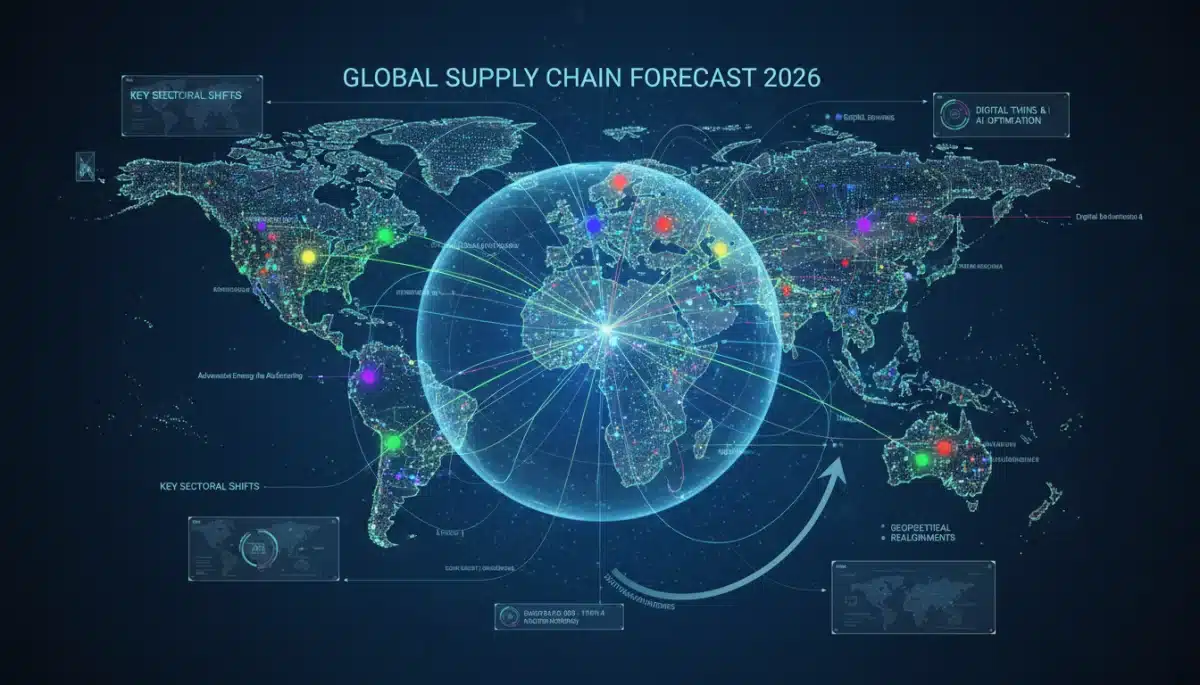
The geopolitical landscape is an increasingly influential factor in the 2026 economic forecast. Tensions between major global powers, regional conflicts, and evolving international alliances all contribute to a complex and sometimes unpredictable environment for global trade and investment. These dynamics can impact supply chains, commodity prices, and market access, necessitating careful strategic planning by businesses and governments.
The push for economic nationalism and reshoring initiatives in some countries is altering established trade routes and manufacturing hubs. While this can create opportunities for domestic industries, it also poses challenges for multinational corporations that rely on integrated global supply chains. Navigating these complexities will be key to maintaining economic stability and fostering growth.
Impact on Supply Chains and Investment
Geopolitical events have a direct and often immediate impact on global supply chains. Disruptions can lead to shortages, increased costs, and delays, affecting everything from consumer goods to critical industrial components. Businesses are increasingly diversifying their supply chains and exploring regionalization strategies to mitigate these risks.
- Supply Chain Resilience: Companies are prioritizing robust and diversified supply chains to withstand geopolitical shocks.
- Trade Agreements: The formation of new trade blocs and the renegotiation of existing agreements will shape market access and competitive landscapes.
- Foreign Direct Investment: Geopolitical stability and predictable regulatory environments will remain crucial determinants for attracting foreign direct investment.
The global economy in 2026 will undoubtedly be characterized by a greater emphasis on resilience and strategic autonomy. Governments are increasingly looking to secure critical resources and technologies, while businesses are adapting their operational models to a world where geopolitical risks are a constant consideration. Effective diplomacy and international cooperation will be vital in mitigating these economic uncertainties.
The Role of Sustainability and ESG Factors
Sustainability and Environmental, Social, and Governance (ESG) factors are no longer peripheral considerations but central tenets shaping the 2026 economic forecast. Investors, consumers, and regulators are increasingly demanding that businesses operate responsibly, considering their impact on the planet and society. This paradigm shift is driving significant capital allocation towards sustainable enterprises and practices.
Companies that integrate ESG principles into their core strategies are finding themselves better positioned for long-term success, attracting investment, retaining talent, and appealing to a growing segment of ethically conscious consumers. Conversely, those that neglect these factors face reputational damage, regulatory scrutiny, and potential financial penalties.
Investment in Green Initiatives
The transition to a greener economy is spurring massive investments in renewable energy, sustainable agriculture, waste reduction technologies, and eco-friendly infrastructure. This creates new markets and job opportunities, while also contributing to global efforts to combat climate change. Government incentives and international agreements are further accelerating this shift.
- Renewable Energy Transition: Increased funding and policy support for solar, wind, and other clean energy projects.
- Sustainable Finance: Growth in green bonds, ESG funds, and impact investing, channeling capital towards sustainable ventures.
- Circular Economy Principles: Emphasis on reducing waste, reusing materials, and recycling products to minimize environmental footprint.
The integration of ESG factors into economic decision-making is a powerful force for positive change. It encourages businesses to innovate responsibly, to consider their broader societal impact, and to build more resilient and future-proof operations. The economic landscape of 2026 will be one where sustainability is not just a buzzword, but a fundamental driver of value and competitive advantage.
| Key Economic Aspect | 2026 Outlook |
|---|---|
| GDP Growth | Projected at 2.5%, indicating moderate but steady global expansion. |
| Key Sector Shifts | Significant growth in AI, renewable energy, and biotechnology sectors. |
| Inflation & Monetary Policy | Persistent but moderating inflation, with cautious central bank approaches. |
| Technological Innovation | AI and automation are driving productivity and creating new market opportunities. |
Frequently Asked Questions About the 2026 Economic Outlook
Experts are forecasting a 2.5% GDP growth for 2026. This moderate expansion reflects a global economy that is stabilizing after recent disruptions, driven by technological advancements and strategic investments, while still navigating various economic headwinds.
Key sectors anticipated to experience major shifts include artificial intelligence, renewable energy, biotechnology, and advanced manufacturing. These transformations are driven by innovation, sustainability demands, and evolving consumer preferences, creating new growth opportunities.
While inflation is expected to moderate, it will likely remain a significant factor. Central banks will continue to implement cautious monetary policies to manage price stability, influencing interest rates and financial market conditions throughout the year.
Technological innovation, particularly in AI and automation, will be a primary driver of economic growth and productivity. These advancements will reshape industries, create new markets, and demand continuous adaptation from businesses and workforces to remain competitive.
Yes, geopolitical tensions and evolving international relations will continue to influence global trade, supply chains, and investment flows. Businesses and governments must remain agile and strategic in navigating these complexities to maintain economic stability and foster growth.
Conclusion
The 2026 economic forecast paints a picture of moderate growth, strategic adaptation, and transformative shifts. The projected 2.5% GDP growth underscores a resilient global economy that is learning to navigate a complex interplay of technological innovation, persistent inflationary pressures, and a dynamic geopolitical landscape. Key sectors such as AI, renewable energy, and biotechnology are poised to lead this evolution, driven by both market demands and a growing commitment to sustainability. As businesses and policymakers prepare for this future, an emphasis on agility, responsible innovation, and strategic foresight will be paramount. The journey towards 2026 is not just about growth, but about building a more sustainable, efficient, and interconnected global economy.
