Diversifying Your Portfolio with International Equities in 2026
Advertisers
Diversifying your portfolio with international equities in 2026 is essential for mitigating regional risks and capitalizing on global growth opportunities for enhanced returns.
As we navigate the complexities of modern finance, the concept of diversifying your portfolio with international equities in 2026: a global market review becomes not merely an option, but a strategic imperative. This approach extends beyond domestic borders, seeking growth and stability from diverse economic landscapes worldwide.
The Strategic Imperative of International Diversification
The global economic landscape is in constant flux, presenting both challenges and unparalleled opportunities for investors. Relying solely on a domestic market can expose a portfolio to concentrated risks, such as local economic downturns, political instability, or industry-specific headwinds. International diversification, conversely, acts as a powerful buffer, spreading risk across multiple economies and regulatory environments. This strategy allows investors to tap into growth engines in various regions, potentially enhancing overall portfolio returns while reducing volatility.
Understanding the nuances of different international markets is crucial for effective diversification. Each region, from established developed economies to dynamic emerging markets, offers unique characteristics and growth drivers. For instance, while developed markets might offer stability and consistent dividends, emerging markets often present higher growth potential, albeit with increased volatility. A balanced approach considers these varying profiles to construct a resilient portfolio.
Anúncios
Benefits of Global Market Exposure
Expanding your investment horizon beyond national borders provides several distinct advantages. These benefits contribute significantly to the long-term health and performance of an investment portfolio.
- Risk Reduction: By investing in multiple countries, you reduce the impact of a single country's economic downturn on your overall portfolio. Different economies operate on different cycles, meaning that when one market is struggling, another might be thriving.
- Enhanced Returns: International markets, particularly emerging ones, can offer higher growth rates than more mature domestic markets. Accessing these growth opportunities can lead to superior long-term returns.
- Access to Unique Industries: Some industries or companies are dominant in specific regions, not readily available in your home market. International equities provide access to these specialized sectors, broadening your investment scope.
- Currency Diversification: Investing in foreign currencies can provide an additional layer of diversification. Fluctuations in exchange rates can sometimes offset losses in equity values, or conversely, amplify gains.

In conclusion, the strategic imperative of international diversification in 2026 is clear. It is about building a more robust, resilient, and potentially more profitable portfolio by strategically allocating investments across various global markets. This proactive approach helps investors navigate economic uncertainties and capitalize on worldwide growth.
Navigating Developed Markets in 2026
Developed markets, including the United States, Europe, and Japan, continue to represent a cornerstone for international equity diversification. While their growth rates might not match those of emerging economies, they offer stability, liquidity, and a well-established regulatory framework. In 2026, these markets are expected to continue their trajectory of steady, albeit moderate, growth, driven by technological innovation, robust corporate earnings, and stable consumer spending.
Investing in developed markets often means exposure to global leaders in various industries. Companies in these regions typically have strong balance sheets, established market positions, and a history of shareholder returns. This makes them attractive for investors seeking lower volatility and consistent performance within their international allocation. However, even within developed markets, nuances exist; for example, European markets might be more sensitive to geopolitical events, while the US market continues to lead in tech innovation.
Anúncios
Key Considerations for Developed Market Investments
When considering developed markets, several factors should guide your investment decisions to optimize returns and manage risk effectively.
- Economic Indicators: Pay close attention to GDP growth, inflation rates, and employment figures in major developed economies. These indicators provide insight into the overall health and future direction of these markets.
- Central Bank Policies: Monetary policies from central banks like the Federal Reserve, European Central Bank, and Bank of Japan significantly influence market liquidity and interest rates, impacting equity valuations.
- Sectoral Trends: Identify leading sectors within developed markets. Technology, healthcare, and renewable energy often show strong performance, but it's important to assess their long-term growth potential and current valuations.
The stability and depth of developed markets make them an indispensable component of a diversified international portfolio. By carefully selecting investments based on economic fundamentals and sectoral trends, investors can harness the consistent performance these markets offer, complementing the higher growth potential of emerging economies.
The Promise and Perils of Emerging Markets
Emerging markets, such as those in China, India, Brazil, and parts of Southeast Asia, offer compelling growth narratives for investors willing to embrace higher risk. These economies are characterized by rapidly expanding middle classes, increasing urbanization, and significant infrastructure development, all of which fuel robust economic expansion. In 2026, many emerging markets are projected to outperform developed counterparts in terms of GDP growth, driven by domestic consumption and technological adoption.
However, the allure of high growth in emerging markets comes hand-in-hand with increased volatility and unique challenges. Political instability, currency fluctuations, less transparent regulatory environments, and susceptibility to global economic shocks are common considerations. Investors must conduct thorough due diligence and adopt a long-term perspective when allocating capital to these regions, understanding that short-term price swings are often part of the investment journey.
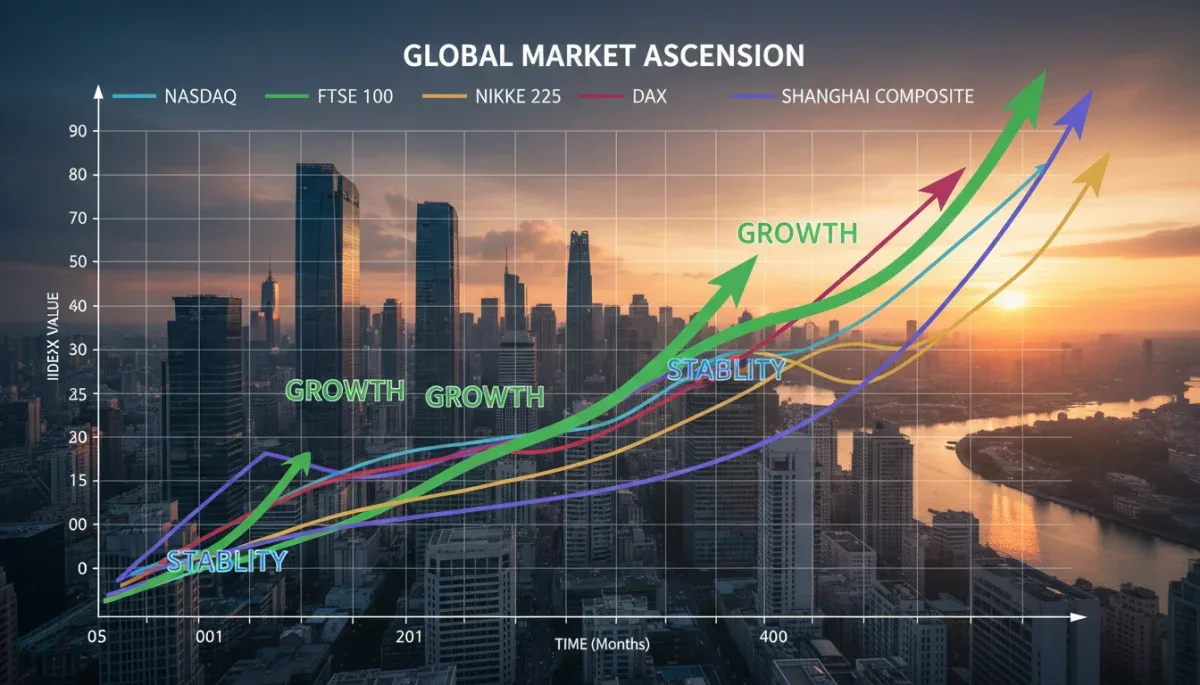
Managing Risks in Emerging Market Investments
To successfully navigate the complexities of emerging markets, a strategic approach to risk management is essential. This involves a combination of careful selection and diversification within the emerging market segment itself.
- Country-Specific Analysis: Evaluate political stability, economic policies, and regulatory frameworks for each target country. Some emerging markets offer more favorable investment climates than others.
- Sector Diversification: Avoid overconcentration in a single sector. Diversify across various industries, such as technology, consumer staples, financials, and industrials, to spread risk.
- Currency Risk Hedging: Consider strategies to mitigate currency risk, especially if a significant portion of your emerging market exposure is denominated in volatile local currencies.
- Liquidity Considerations: Be aware that some emerging markets may have lower liquidity compared to developed markets, which can impact the ease of buying and selling securities.
Despite the inherent risks, the long-term growth potential of emerging markets remains a powerful incentive for international equity diversification. By understanding and proactively managing these risks, investors can strategically position their portfolios to capture significant upside from these dynamic economies.
Geopolitical Landscape and Market Impact in 2026
The geopolitical landscape in 2026 will undoubtedly play a significant role in shaping global market performance and investor sentiment. International relations, trade agreements, and regional conflicts can have profound effects on supply chains, commodity prices, and corporate profitability across various sectors. Investors must remain vigilant and adapt their strategies to respond to evolving geopolitical risks and opportunities.
For instance, ongoing trade tensions between major global powers could lead to increased protectionism, impacting companies reliant on international trade. Conversely, new diplomatic initiatives or peace agreements could unlock economic potential in previously restricted regions. Understanding these dynamics is crucial for making informed decisions about international equity allocations, as geopolitical events can quickly shift market sentiment and alter investment attractiveness.
Analyzing Geopolitical Risk Factors
Assessing geopolitical risks requires a multi-faceted approach, considering both direct and indirect impacts on investment portfolios. Proactive analysis can help in mitigating potential negative consequences.
- Trade Policies: Monitor changes in trade agreements and tariffs, as these directly affect the profitability of multinational corporations and supply chain resilience.
- Regional Conflicts: Evaluate the potential for conflicts to disrupt energy supplies, shipping routes, or critical resource availability, leading to market volatility.
- Political Stability: Assess the political stability of countries where you hold investments. Elections, policy shifts, and social unrest can all impact investor confidence.
- Cybersecurity Threats: Recognize the growing threat of cyberattacks, which can disrupt critical infrastructure and financial systems, affecting global markets.
In conclusion, the geopolitical landscape is a complex and ever-changing variable in international investing. By staying informed and adopting a flexible investment approach, investors can better navigate these risks and position their portfolios for resilience and growth amidst global uncertainties.
Technological Advancements and Sectoral Opportunities
Technological advancements continue to be a primary driver of economic growth and market transformation globally. In 2026, sectors such as artificial intelligence, biotechnology, renewable energy, and advanced manufacturing are poised for significant expansion, creating compelling investment opportunities across international markets. These innovations are not confined to specific regions; rather, they are global phenomena, with hubs of excellence emerging in various countries.
Investing in companies at the forefront of these technological shifts can offer substantial long-term growth potential. However, identifying the true innovators and understanding the competitive landscape is key. Beyond direct investment in tech giants, consider companies that enable these advancements, such as semiconductor manufacturers, cloud infrastructure providers, or specialized materials suppliers. These often provide diversified exposure to technological trends without the singular risk of a single product or service.
Emerging Tech Investment Themes
Several key technological themes are expected to dominate investment discussions in 2026, offering diverse avenues for portfolio growth.
- Artificial Intelligence (AI): Beyond software, look for AI's integration into hardware, robotics, and various industries, driving efficiency and new product development.
- Biotechnology and Healthcare Innovation: Advances in gene editing, personalized medicine, and digital health solutions are creating robust opportunities in both developed and emerging markets.
- Renewable Energy and Sustainability: The global push towards decarbonization fuels demand for solar, wind, battery storage, and smart grid technologies.
- Quantum Computing and Cybersecurity: While nascent, these areas present long-term transformative potential, with early-stage investments potentially yielding significant returns.
Ultimately, leveraging technological advancements in international equity diversification involves a forward-looking perspective and a willingness to invest in innovation. By strategically allocating capital to companies and sectors that are shaping the future, investors can capture powerful growth trends and enhance their portfolio's long-term performance.
Crafting Your International Equity Strategy for 2026
Developing a robust international equity strategy for 2026 requires a thoughtful and disciplined approach, integrating the insights from global market reviews, geopolitical analyses, and technological trends. It's not about chasing the latest fad but rather constructing a portfolio that aligns with your long-term financial goals, risk tolerance, and investment horizon. A well-crafted strategy should encompass diversification across geographies, sectors, and company sizes, ensuring a balanced exposure to both growth and stability.
Begin by defining your personal investment objectives. Are you seeking aggressive growth, income generation, or a balance of both? Your objectives will dictate the proportion of your portfolio allocated to international equities and the specific regions or sectors you prioritize. Regular rebalancing is also critical to maintain your desired asset allocation and adapt to changing market conditions. This proactive management helps ensure your portfolio remains aligned with your strategic vision.
Key Steps in Portfolio Construction
Building an effective international equity portfolio involves several methodical steps, from initial assessment to ongoing management.
- Assess Risk Tolerance: Understand how much risk you are comfortable taking. This will influence your allocation between developed and emerging markets.
- Geographic Allocation: Decide on the optimal balance between different regions, considering their economic outlooks and correlation with your domestic market.
- Sector Selection: Identify promising sectors globally, aligning with long-term trends and avoiding overconcentration in any single industry.
- Investment Vehicles: Choose appropriate investment vehicles, such as individual stocks, exchange-traded funds (ETFs), or mutual funds, based on your preference for active versus passive management.
- Regular Review and Rebalancing: Periodically review your portfolio's performance and adjust allocations as needed to stay aligned with your strategy and market changes.
In conclusion, crafting your international equity strategy for 2026 is an ongoing process that demands careful planning, continuous monitoring, and adaptability. By adhering to a well-defined strategy and leveraging global market insights, investors can effectively diversify their portfolios and pursue their financial objectives with confidence.
| Key Point | Brief Description |
|---|---|
| Risk Mitigation | Diversifying globally reduces reliance on a single economy, buffering against regional downturns. |
| Growth Opportunities | Access to high-growth emerging markets and innovative sectors worldwide. |
| Market Dynamics | Developed markets offer stability; emerging markets provide higher risk/reward. |
| Strategic Planning | Tailoring international equity allocations to personal financial goals and risk tolerance. |
Frequently Asked Questions About International Equities
Why is international diversification important for my portfolio in 2026?▼International diversification is crucial in 2026 because it spreads investment risk across various economies, reducing the impact of a single market's downturn. It also allows access to global growth opportunities that may not exist domestically, potentially enhancing overall portfolio returns and stability.
What are the main risks associated with investing in international equities?▼Key risks include currency fluctuations, political instability, different regulatory environments, and varying levels of market liquidity. Emerging markets, in particular, may present higher volatility and less transparency compared to developed markets, requiring careful consideration.
How do developed markets differ from emerging markets for investors?▼Developed markets typically offer stability, lower volatility, and established regulatory frameworks, suitable for consistent returns. Emerging markets, conversely, present higher growth potential due to rapid economic expansion but come with increased volatility and greater geopolitical risks.
Which sectors offer promising opportunities in international equities for 2026?▼Sectors driven by technological advancements, such as artificial intelligence, biotechnology, renewable energy, and advanced manufacturing, are expected to offer significant growth. Healthcare innovation and sustainable technologies also present compelling investment opportunities across global markets.
What is the role of geopolitical factors in international equity investing?▼Geopolitical factors, including trade policies, international relations, and regional conflicts, can significantly impact global markets. They affect supply chains, commodity prices, and investor sentiment, making it essential to monitor these dynamics for informed international equity allocation decisions.
Conclusion
In summation, diversifying your portfolio with international equities in 2026: a global market review underscores a fundamental truth in investment: global opportunities demand global vision. By strategically allocating capital across developed and emerging markets, understanding geopolitical currents, and embracing technological innovation, investors can build a more resilient and potentially more rewarding portfolio. The journey into international equities is one of continuous learning and adaptation, but the benefits of reduced risk and enhanced returns make it an indispensable component of any forward-thinking investment strategy.