Maximize Your 2026 FSA: $3,200 Contribution Strategies
Advertisers
Effectively maximize your Flexible Spending Account (FSA) in 2026 by understanding the $3,200 contribution limit and strategically utilizing funds for eligible medical and dependent care expenses before December 31st.
As we look ahead, understanding how to best utilize your Flexible Spending Accounts (FSAs) in 2026: How to Maximize Your $3,200 Annual Contribution Before December 31st is more crucial than ever. This guide will help you navigate the nuances of FSAs, ensuring you leverage every dollar to your advantage, especially as the year-end deadline approaches.
Understanding Flexible Spending Accounts (FSAs) in 2026
Flexible Spending Accounts (FSAs) remain an invaluable tool for managing healthcare and dependent care costs with significant tax advantages. These employer-sponsored benefits allow you to set aside pre-tax money from your paycheck to pay for eligible expenses, effectively reducing your taxable income. For 2026, the IRS typically adjusts contribution limits, making it essential to understand the updated figures and eligible uses to optimize your financial planning.
The core benefit of an FSA lies in its tax-advantaged nature. Contributions are deducted from your gross pay before taxes, meaning you don't pay federal income tax, Social Security tax, or Medicare tax on that money. This results in immediate savings, making FSAs a powerful component of any comprehensive benefits package. However, the 'use-it-or-lose-it' rule often causes concern, highlighting the importance of careful planning and understanding your needs.
Anúncios
Key Types of FSAs
- Health Care FSA: Covers a wide range of medical, dental, and vision expenses for you, your spouse, and your dependents. This includes deductibles, copayments, and prescriptions.
- Dependent Care FSA (DCFSA): Helps pay for care for qualifying dependents, such as children under 13 or adults unable to care for themselves. Eligible expenses include daycare, after-school programs, and elder care.
- Limited Purpose FSA: Exclusively for dental and vision expenses if you are also enrolled in a Health Savings Account (HSA). This allows you to combine the benefits of both accounts.

Each type of FSA serves a distinct purpose, and understanding which one is relevant to your situation is the first step in maximizing its benefits. The rules regarding eligibility and expense categories can be complex, so reviewing your plan's specific details is always recommended to avoid any surprises when submitting claims.
In conclusion, FSAs offer a compelling opportunity to save money on necessary expenses. By familiarizing yourself with the different types and their respective rules, you can lay the groundwork for a successful and cost-effective year in 2026, ensuring that you are well-prepared to make informed decisions about your contributions and spending.
The $3,200 Annual Contribution Limit for 2026: What to Know
The Internal Revenue Service (IRS) typically sets the annual contribution limits for Flexible Spending Accounts, and for 2026, the projected limit for Health Care FSAs is approximately $3,200 per individual. This figure is crucial for your financial planning, as it dictates the maximum amount of pre-tax money you can allocate to cover eligible health-related expenses. Staying informed about this limit is essential for optimizing your tax savings and ensuring you have sufficient funds for anticipated medical costs throughout the year.
Understanding the implications of this limit is more than just knowing a number. It involves projecting your family's healthcare needs, from routine doctor visits and prescription refills to potential dental work or vision care. Over-contributing can lead to forfeiture of funds under the 'use-it-or-lose-it' rule, while under-contributing might mean missing out on significant tax savings. Therefore, a careful assessment of your household's health expenditures is paramount when deciding your FSA contribution.
Anúncios
Factors Influencing Your Contribution Decision
- Historical Spending: Review your past medical, dental, and vision expenses. This historical data can provide a solid baseline for estimating future needs.
- Anticipated Health Changes: Consider any upcoming life events, such as planned surgeries, new prescriptions, or expanding your family, which could impact healthcare costs.
- Dependent Care Needs: If you have a Dependent Care FSA, factor in daycare, preschool, or after-school care costs for eligible dependents.
It's important to remember that the $3,200 limit applies to Health Care FSAs. Dependent Care FSAs have a separate limit, typically around $5,000 per household. If you are eligible for both, you can contribute to both types of accounts, maximizing your overall tax-advantaged savings.
In summary, the $3,200 contribution limit for 2026 is a significant benchmark for FSA users. By thoroughly assessing your anticipated expenses and understanding the nuances of different FSA types, you can make an informed decision that maximizes your tax benefits and effectively covers your healthcare and dependent care needs without risking the forfeiture of unused funds.
Eligible Expenses: Making Your FSA Dollars Work Harder
One of the most common challenges with Flexible Spending Accounts is confidently identifying what qualifies as an eligible expense. The IRS provides a comprehensive list, but it's often broader than many people realize, extending beyond just doctor's visits and prescriptions. Understanding the full scope of eligible expenses is key to ensuring you spend down your FSA balance effectively and avoid losing funds at year-end. This proactive approach helps you plan purchases throughout the year, rather than scrambling in December.
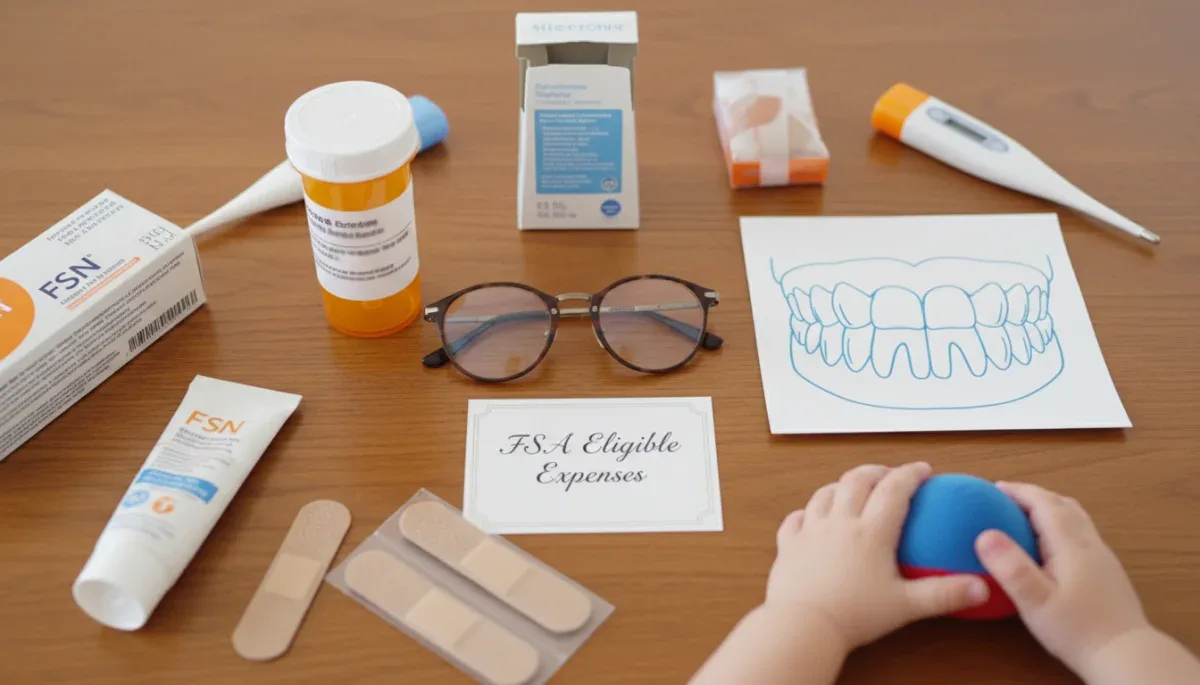
Eligible expenses generally cover medical, dental, and vision care costs not reimbursed by your insurance. This includes co-pays, deductibles, and certain over-the-counter (OTC) medications and products. The CARES Act permanently allowed OTC medications and feminine hygiene products to be FSA-eligible without a prescription, significantly expanding the utility of these accounts. This change offers greater flexibility and convenience for managing everyday health needs.
Commonly Overlooked Eligible Expenses
- Acupuncture and Chiropractic Care: These alternative therapies are often covered if prescribed by a medical professional.
- Contact Lens Solutions and Supplies: Beyond the lenses themselves, related care products are also eligible.
- Sunscreen: Specifically, sunscreen with an SPF of 15 or higher, as it's considered a protective medical expense.
- Bandages and First Aid Kits: Essential items for home health care are typically covered.
- Diagnostic Devices: Items like blood pressure monitors, glucometers, and thermometers are eligible.
For Dependent Care FSAs, eligible expenses include costs for childcare provided by a babysitter, nanny, or daycare center while you and your spouse (if married) are working or looking for work. It also covers expenses for adult daycare if the adult is a qualifying dependent incapable of self-care. This can be a substantial benefit for working families, helping to offset significant care costs.
To summarize, a thorough understanding of eligible FSA expenses is critical for maximizing your account. By exploring the full range of covered items and services, including often-overlooked categories, you can strategically plan your spending throughout the year, ensuring that your pre-tax dollars are fully utilized for your health and dependent care needs.
Strategic Planning to Avoid the 'Use-It-or-Lose-It' Rule
The 'use-it-or-lose-it' rule is perhaps the most daunting aspect of Flexible Spending Accounts, causing many account holders to scramble at year-end. This rule stipulates that any funds remaining in your FSA at the end of the plan year, beyond a small carryover amount or grace period, will be forfeited. However, with careful planning and proactive strategies, you can minimize this risk and ensure that your hard-earned pre-tax dollars are fully utilized. The key lies in understanding your plan's specific rules and anticipating your expenses.
Many employers offer either a grace period or a carryover option, but rarely both. A grace period typically extends the deadline to spend FSA funds by up to 2.5 months into the new plan year. A carryover option allows you to roll over a certain amount (e.g., up to $640 for 2025, likely adjusted for 2026) into the next year. Knowing which, if any, your plan offers is fundamental to your year-end strategy and can significantly reduce the pressure to spend down your balance.
Effective Strategies for Year-End Spending
As December 31st approaches, it's vital to have a clear strategy. Start by checking your FSA balance regularly. This allows you to track your spending and identify any remaining funds that need to be used. Don't wait until the last minute, as some purchases may require time for shipping or appointment scheduling.
- Stock Up on Essentials: Purchase eligible over-the-counter medications, first aid supplies, contact lens solution, or sunscreen that you know you'll use.
- Schedule Appointments: Book annual eye exams, dental cleanings, or specialist visits you might have postponed. Consider getting new glasses or contacts.
- Elective Procedures: If you've been considering a non-urgent medical procedure, such as a physical therapy series or a dermatological treatment, December is the time to schedule it.
- Dependent Care Advance Payments: For DCFSAs, consider prepaying for eligible dependent care services for the upcoming weeks or months, as long as the service dates fall within your plan year or grace period.
Ultimately, avoiding the 'use-it-or-lose-it' rule comes down to being proactive and informed. By understanding your plan's specific provisions, regularly monitoring your balance, and strategically planning your purchases and appointments, you can ensure that your FSA funds are fully utilized, maximizing your tax savings and benefiting your health and well-being.
Leveraging the December 31st Deadline: Last-Minute Strategies
The December 31st deadline for Flexible Spending Accounts is a critical date on the financial calendar for many Americans. For those without a grace period or carryover option, this date marks the absolute last chance to utilize remaining FSA funds before they are forfeited. Even with these extensions, December 31st serves as a mental benchmark for reviewing and planning your final eligible expenses. Approaching this deadline with a clear strategy can save you money and ensure you don't miss out on valuable tax benefits.
As the year-end approaches, it's not uncommon to find yourself with a surplus in your FSA. This situation demands immediate attention and a methodical approach to spending. The goal is to identify eligible needs that can be fulfilled quickly and efficiently. This might involve a final review of your health needs, as well as those of your spouse and dependents, to pinpoint any outstanding medical, dental, or vision requirements.
Smart Moves Before Year-End
- Review Your Claims: Double-check that all eligible expenses incurred throughout the year have been submitted for reimbursement. Sometimes, forgotten receipts can unlock significant portions of your balance.
- Dental and Vision Check-ups: Schedule a last-minute dental cleaning, an eye exam, or purchase a new pair of prescription glasses or contact lenses. These are often easy ways to use a substantial portion of your remaining funds.
- Medical Supplies Stock-Up: Visit an FSA-eligible store or online retailer to purchase a year's supply of approved over-the-counter items like pain relievers, allergy medication, first aid supplies, or even a new blood pressure monitor.
- Dependent Care Prepayment: If you have a Dependent Care FSA, consider prepaying for January childcare services if your plan allows for services rendered within the plan year or grace period. Confirm specific rules with your plan administrator.
It is crucial to understand that while a grace period or carryover offers some flexibility, they do not negate the importance of year-end planning. Even with these options, it's best practice to try and utilize as much of your current year's balance as possible to maximize your benefits and avoid potential forfeiture. Always consult your plan administrator for the exact rules pertaining to your specific FSA, as details can vary widely.
In conclusion, the December 31st deadline for FSAs is a powerful motivator for proactive financial health management. By implementing these last-minute strategies, you can ensure that your FSA funds are fully utilized, maximizing your tax savings and providing comprehensive care for you and your family.
Comparing FSAs with HSAs: Which is Right for You in 2026?
While both Flexible Spending Accounts (FSAs) and Health Savings Accounts (HSAs) offer tax-advantaged ways to pay for healthcare expenses, they operate under different rules and cater to different financial situations. Understanding these distinctions is crucial for making an informed decision about which account, or combination of accounts, best suits your needs in 2026. The choice often depends on your health insurance plan, your anticipated medical expenses, and your long-term financial goals.
The most fundamental difference lies in eligibility: HSAs are only available to individuals enrolled in a High-Deductible Health Plan (HDHP). FSAs, conversely, can be paired with most traditional health plans. This eligibility factor is often the primary determinant for many people. Beyond eligibility, the 'use-it-or-lose-it' rule for FSAs contrasts sharply with the roll-over nature of HSAs, where funds accumulate year after year and are portable.
Key Differences and Considerations
- Eligibility: HSA requires an HDHP. FSA can be with most plans.
- Carryover: HSA funds roll over year to year. FSA has a 'use-it-or-lose-it' rule with potential grace period/carryover.
- Ownership: HSA is owned by the individual and is portable. FSA is employer-sponsored and tied to employment.
- Investment: HSA funds can be invested once a certain balance is reached, growing tax-free. FSA funds cannot be invested.\
- Contribution Limits: Different annual limits apply to each account, with HSAs generally having higher family limits.
For those enrolled in an HDHP, the ability to contribute to an HSA offers a powerful long-term savings vehicle. The funds grow tax-free, can be invested, and withdrawals for qualified medical expenses are also tax-free. This triple tax advantage makes HSAs an excellent retirement planning tool for healthcare costs. However, the higher deductible of an HDHP means you might pay more out-of-pocket before insurance kicks in.
A Health Care FSA, while not offering the same investment potential or portability, provides immediate tax savings on predictable annual healthcare expenses. It's particularly beneficial for individuals with regular medical needs who can accurately project their costs. For those with an HDHP, a Limited Purpose FSA for dental and vision expenses can be used in conjunction with an HSA, allowing you to cover certain immediate costs with pre-tax dollars while saving your HSA funds for future growth.
In conclusion, the choice between an FSA and an HSA, or using them in combination, depends on your specific health coverage and financial strategy. Carefully weigh the benefits of immediate tax savings versus long-term investment growth, considering your current health needs and future financial objectives, to make the best decision for 2026.
Future Trends and What to Expect for FSAs Beyond 2026
The landscape of healthcare benefits is constantly evolving, and Flexible Spending Accounts are no exception. While the core structure of FSAs is likely to remain stable, understanding potential future trends and legislative changes can help you prepare and adapt your financial planning beyond 2026. Anticipating these shifts allows for more strategic decision-making regarding your contributions and utilization, ensuring you continue to maximize these valuable tax-advantaged accounts.
One area of ongoing discussion revolves around the 'use-it-or-lose-it' rule. While there have been temporary relaxations during specific periods, a permanent change to allow full carryover of FSA funds remains a topic of interest among policymakers and benefits advocates. Any such change would significantly enhance the appeal and flexibility of FSAs, reducing the pressure of year-end spending and making them even more comparable to HSAs in terms of fund retention.
Potential Developments and Considerations
- Increased Carryover Limits: While a full carryover might be distant, incremental increases to the allowable carryover amount are a possibility, providing greater flexibility.
- Expansion of Eligible Expenses: The list of eligible expenses has expanded in recent years, and this trend could continue, incorporating more holistic health and wellness products or services.\
- Technological Integration: Expect further integration of FSA management with digital platforms, making it easier to track balances, submit claims, and identify eligible purchases.
- Legislative Adjustments: Annual inflation adjustments to contribution limits are standard, but broader legislative changes impacting healthcare policy could indirectly influence FSA rules and benefits.
Another trend to watch is the continued push for greater transparency and simplification in benefits administration. As employers seek to offer more attractive and user-friendly benefits packages, the processes for enrolling in, contributing to, and claiming from FSAs may become even more streamlined. This could involve improved online portals, mobile apps, and clearer communication regarding eligible expenses and deadlines.
The role of FSAs in promoting preventive care could also see increased emphasis. As healthcare shifts towards proactive wellness, there might be a greater focus on making a broader range of preventive services and tools eligible for FSA reimbursement, further incentivizing individuals to invest in their long-term health. This could align with broader public health initiatives and encourage healthier lifestyles.
In conclusion, while the foundational benefits of FSAs are likely to endure, staying informed about potential legislative changes, technological advancements, and evolving eligible expense lists will be crucial for maximizing their value beyond 2026. Proactive engagement with your employer's benefits offerings and staying abreast of IRS guidelines will ensure you continue to leverage your FSA effectively for your financial and health well-being.
| Key Point | Brief Description |
|---|---|
| 2026 Contribution Limit | Health Care FSA limit projected at $3,200, allowing pre-tax savings for eligible expenses. |
| Eligible Expenses | Covers medical, dental, vision, prescriptions, and many OTC items without a prescription. |
| Year-End Deadline | December 31st is crucial for using funds to avoid forfeiture, unless a grace period or carryover applies. |
| Strategic Planning | Proactive budgeting and understanding plan rules are vital to maximize benefits and avoid losing funds. |
Frequently Asked Questions About FSAs in 2026
What is the main benefit of a Flexible Spending Account (FSA)?▼The primary benefit of an FSA is the ability to pay for eligible healthcare and dependent care expenses with pre-tax dollars. This reduces your taxable income, leading to immediate savings on federal, state, and payroll taxes, making your healthcare dollars go further throughout the year.
What happens if I don't use all my FSA funds by December 31st?▼If your plan has a 'use-it-or-lose-it' rule, unused funds are typically forfeited. However, some employers offer a grace period (up to 2.5 months) or a limited carryover amount (e.g., up to $640 for 2025, likely adjusted for 2026) into the next plan year. Check your specific plan details.
Can I change my FSA contribution amount mid-year in 2026?▼Generally, you cannot change your FSA contribution mid-year unless you experience a qualifying life event. These events include marriage, divorce, birth or adoption of a child, or a change in employment for you or your spouse. Consult your HR department for specific rules.
Are over-the-counter medications eligible for FSA reimbursement in 2026?▼Yes, thanks to legislative changes, many over-the-counter (OTC) medications and feminine hygiene products are permanently eligible for FSA reimbursement without a prescription. This includes items like pain relievers, allergy medicines, and first aid supplies, expanding your spending options.
How do Dependent Care FSAs (DCFSAs) differ from Health Care FSAs?▼DCFSAs are specifically for eligible dependent care expenses, such as daycare, preschool, or elder care, allowing you to work. Health Care FSAs cover medical, dental, and vision expenses. They have separate contribution limits and distinct eligible expense categories, though both offer tax advantages.
Conclusion
Navigating the intricacies of Flexible Spending Accounts in 2026 is a strategic endeavor that, when approached thoughtfully, can yield significant financial benefits. By understanding the projected $3,200 annual contribution limit, meticulously identifying eligible expenses, and implementing proactive year-end strategies, you can maximize your tax savings and ensure your healthcare and dependent care needs are met without financial strain. The key is to remain informed about your plan's specific rules, particularly regarding grace periods or carryovers, and to plan your spending throughout the year. As the December 31st deadline approaches, a clear strategy will empower you to fully leverage your FSA, transforming a complex benefit into a powerful tool for your financial well-being.