Consumer Alert: New Product Safety Standards 2026
Advertisers
New product safety standards taking effect July 1, 2026, will significantly impact purchasing decisions by introducing enhanced consumer protections.
Beginning July 1, 2026, a significant shift in consumer protection is on the horizon. A new product safety standards 2026 initiative will reshape how manufacturers design, test, and label their goods, directly impacting what you, as a consumer, need to know before making purchases. This alert aims to equip you with essential information to navigate these upcoming changes confidently and ensure your safety and satisfaction.
Understanding the new regulatory landscape
The impending July 1, 2026, deadline marks a pivotal moment for consumer safety in the United States. New regulatory frameworks are being implemented to address evolving product complexities and consumer expectations, moving beyond previous guidelines to establish a more robust protective barrier. These changes stem from a comprehensive review of existing safety protocols, aiming to minimize risks associated with everyday products.
This overhaul isn't merely about adding more rules; it's about creating a proactive environment where product safety is paramount from conception to market. The goal is to reduce incidents of injury, malfunction, and environmental harm, fostering greater trust between consumers and manufacturers. Understanding this new landscape is the first step towards becoming a more informed buyer.
Anúncios
Key drivers behind the updates
- Technological advancements: New materials, smart features, and interconnected devices introduce novel safety considerations.
- Global supply chains: Increasing complexity in manufacturing and distribution necessitates harmonized international standards.
- Consumer advocacy: Persistent calls from consumer groups for stronger protections against hazardous products.
- Data-driven insights: Analysis of past product failures and recalls informs the areas most needing improvement.
Ultimately, these updates are designed to future-proof consumer safety, ensuring that products available on the market meet a higher benchmark of quality and reliability. It's a testament to the ongoing commitment to prioritize public well-being in a rapidly changing marketplace.
In conclusion, the new regulatory landscape is a proactive measure designed to enhance consumer safety across various product categories. By understanding the motivations and scope of these changes, consumers can better prepare for the new purchasing environment.

What the new standards mean for product design and manufacturing
The new product safety standards effective July 1, 2026, will profoundly influence how products are designed and manufactured. Companies are now mandated to integrate safety considerations much earlier in the product development cycle, moving away from reactive measures to a more preventative approach. This means a greater emphasis on inherent safety features, robust material selection, and rigorous testing protocols.
Manufacturers will need to invest in advanced testing equipment and processes to comply with the updated regulations. This includes not only traditional safety checks but also assessments for cybersecurity vulnerabilities in smart products, potential environmental impacts, and long-term durability under various usage conditions. The shift aims to ensure products are safe not just at launch, but throughout their entire lifecycle.
Anúncios
Enhanced testing and certification requirements
One of the most significant changes involves the stricter testing and certification requirements. Products will undergo more comprehensive evaluations before they can be sold in the United States. This often includes third-party independent verification, adding an extra layer of assurance for consumers.
- Increased durability testing: Products must withstand typical wear and tear beyond previous benchmarks.
- Chemical composition scrutiny: Stricter limits on hazardous substances in materials and components.
- Software integrity checks: For electronic devices, robust testing for bugs and security flaws.
- Ergonomic assessments: Ensuring products are safe and comfortable for human interaction.
These enhanced requirements aim to catch potential flaws and hazards before products reach store shelves, reducing the likelihood of recalls and consumer injuries. Manufacturers who fail to meet these standards will face significant penalties, reinforcing the importance of compliance.
In essence, the new standards are pushing manufacturers to elevate their commitment to safety, fostering a culture of quality and reliability from the ground up. This will ultimately benefit consumers by providing access to safer, more dependable products.
Impact on product labeling and consumer information
The new product safety standards effective July 1, 2026, will bring about substantial changes to product labeling and the information provided to consumers. Transparency is a cornerstone of these new regulations, aiming to empower buyers with clear, accessible, and comprehensive details about the products they intend to purchase. This goes beyond basic warnings, delving into material composition, usage guidelines, and disposal instructions.
Expect to see more detailed labels, potentially incorporating QR codes or NFC tags that link to extensive online resources. These digital platforms will offer in-depth safety data, certification documents, and user manuals, ensuring consumers have all the necessary information at their fingertips. The goal is to eliminate ambiguity and provide a complete picture of a product's safety profile.
What to look for on new labels
Consumers should familiarize themselves with the new labeling conventions. These will likely include updated safety icons, clearer hazard warnings, and specific instructions for safe use and maintenance. The information will be presented in a standardized format, making it easier to compare products and identify compliant items.
- Revised safety symbols: New, universally recognized icons indicating compliance.
- Clearer warning statements: Explicit language regarding potential risks and precautions.
- Material transparency: Detailed breakdown of components and their origins.
- Digital access points: QR codes or links to extended online safety documentation.
This increased transparency is a direct response to consumer demand for more honest and straightforward product information. It shifts the burden of understanding complex safety data from manufacturers to consumers, but in a way that provides easy access to that information.
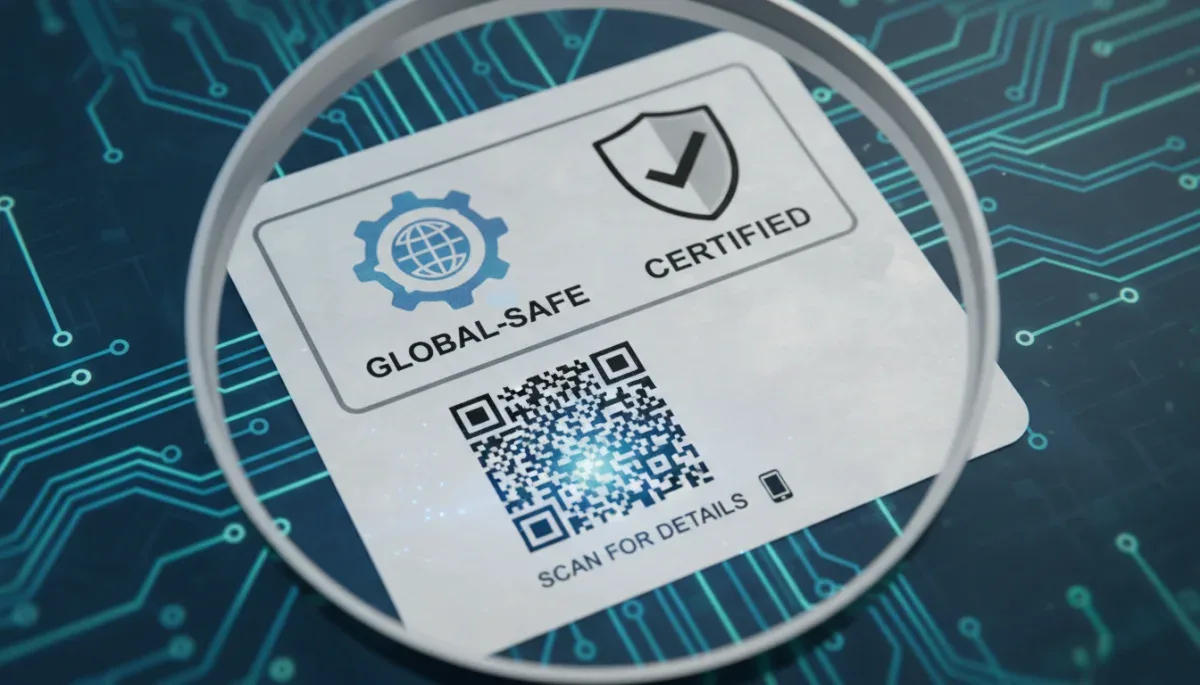
The emphasis on clear and comprehensive labeling ensures that consumers can make truly informed decisions, understanding not just the benefits of a product, but also any associated risks and how to mitigate them.
To summarize, the new labeling requirements are set to provide consumers with unprecedented levels of information, fostering greater transparency and enabling more informed purchasing decisions.
Your role as a consumer: informed purchasing decisions
As the new product safety standards take effect on July 1, 2026, your role as a consumer becomes even more critical. Making informed purchasing decisions will not only protect you and your family but also incentivize manufacturers to adhere strictly to these new regulations. Being an educated buyer means actively seeking out information, understanding labels, and asking pertinent questions before committing to a purchase.
Do not assume that all products on the market automatically meet the highest safety standards. While the regulations aim for this, vigilance is key. Take the time to research brands, read reviews, and verify certifications, especially for products that involve higher risk or are intended for vulnerable populations like children.
Tips for navigating the new market
Navigating the updated market requires a proactive approach. Here are some actionable steps you can take to ensure you're buying safe and compliant products:
- Read labels carefully: Pay close attention to new safety symbols, warning statements, and digital information links.
- Check for certifications: Look for evidence of compliance with the new 2026 standards, often indicated by specific seals or marks.
- Research product recalls: Stay updated on product safety recalls through official government websites.
- Utilize online resources: Manufacturers and consumer advocacy groups will provide valuable information regarding new product safety standards.
Your purchasing power is a strong force for change. By choosing products that clearly meet or exceed the new safety benchmarks, you contribute to a market where safety is prioritized, and negligent manufacturers are held accountable. This collective consumer action reinforces the importance of the new regulations.
Ultimately, your commitment to informed purchasing decisions is a powerful tool in ensuring the success and effectiveness of the new product safety standards. Be an active participant in your own protection.
Enforcement and compliance: what happens if standards are not met?
The success of the new product safety standards effective July 1, 2026, hinges significantly on robust enforcement and the consequences for non-compliance. Regulatory bodies will be equipped with enhanced powers to monitor the market, investigate potential violations, and impose penalties on manufacturers, distributors, and retailers who fail to meet the new benchmarks. This stringent approach is designed to deter non-compliance and ensure a level playing field for all market participants.
Non-compliance can lead to a range of severe repercussions, not just for the businesses involved but also for consumer trust and safety. The aim is to make it economically and reputationally prohibitive for companies to disregard the new safety mandates, thereby fostering a culture of adherence and responsibility.
Consequences of non-compliance
The penalties for failing to meet the new safety standards are multi-faceted and significant. They are designed to act as a strong deterrent and to compensate for any harm caused by unsafe products.
- Financial penalties: Substantial fines that can run into millions of dollars, depending on the severity and scale of the violation.
- Product recalls: Mandatory recalls of non-compliant products, often at the manufacturer's expense, leading to significant logistical and financial burdens.
- Legal action: Civil lawsuits from injured consumers and criminal charges in cases of gross negligence.
- Reputational damage: Loss of consumer trust and brand loyalty, which can have long-lasting negative impacts on sales and market share.
These measures underscore the seriousness with which the new standards will be enforced. The regulatory framework is designed to protect consumers by ensuring that businesses prioritize safety above all else. Consumers can also play a role by reporting suspected non-compliant products to relevant authorities.
In summary, the enforcement mechanisms for the new product safety standards are designed to be comprehensive and impactful, ensuring that compliance is not just an option, but a mandatory requirement for all businesses operating in the market.
Preparing for the future: long-term consumer benefits
As we approach July 1, 2026, and beyond, the implementation of these new product safety standards promises a future with significant long-term benefits for consumers. Beyond the immediate enhancement of safety, these regulations are expected to foster a more innovative, transparent, and trustworthy marketplace. Consumers can look forward to a higher baseline of quality and reliability across a vast array of products, from electronics to household goods.
The long-term impact extends to promoting sustainable practices, as manufacturers are encouraged to use safer materials and design products with greater durability and repairability. This shift not only benefits individual consumers by reducing risks and extending product lifespans but also contributes to broader societal goals of environmental protection and resource efficiency.
Anticipated advantages for consumers
The new safety standards are not just about preventing harm; they are about building a better consumer experience. The anticipated advantages are numerous and will likely evolve as the market adapts.
- Increased product lifespan: More durable products due to higher manufacturing and material standards.
- Reduced health risks: Fewer incidents of injury or exposure to hazardous substances.
- Greater peace of mind: Confidence in the safety and quality of purchased goods.
- Innovation in safety features: Manufacturers competing to offer the safest and most advanced products.
- Environmental benefits: Encouragement of eco-friendly materials and design for repairability.
These long-term benefits underscore the transformative potential of the new product safety standards. They represent a commitment to a marketplace where consumer well-being is a core principle, driving positive change across industries.
In conclusion, the new product safety standards are set to deliver enduring benefits for consumers, creating a safer, more reliable, and ultimately more satisfying purchasing environment for years to come.
| Key Point | Brief Description |
|---|---|
| Effective Date | New standards become mandatory on July 1, 2026. |
| Design Impact | Manufacturers must integrate safety earlier in product design. |
| Labeling Changes | More transparent and detailed product information for consumers. |
| Consumer Role | Vigilance and informed choices are crucial for buyers. |
Frequently asked questions about new product safety standards
What exactly are the new product safety standards effective July 1, 2026?▼These new standards are comprehensive regulations aimed at enhancing consumer product safety across various categories. They introduce stricter requirements for design, manufacturing, testing, and labeling to minimize risks and ensure higher quality goods enter the market.
How will these new standards affect the prices of products?▼While initial compliance costs for manufacturers might lead to slight price increases for some products, the long-term benefits include reduced risks, fewer recalls, and potentially more durable goods. The investment aims to deliver better value and safety for consumers over time.
Where can I find detailed information about specific product categories?▼Official government consumer protection websites, such as the Consumer Product Safety Commission (CPSC), will be primary sources. Manufacturers will also provide detailed compliance information on their product pages and through enhanced labeling, often via QR codes.
What should I do if I suspect a product does not meet the new standards?▼If you have concerns about a product's safety or believe it doesn't meet the new standards, you should report it to the relevant consumer protection agencies, like the CPSC. Providing detailed information helps authorities investigate and take appropriate action.
Are these new standards applicable to all products sold in the U.S.?▼The new standards primarily apply to consumer products manufactured, imported, or sold within the United States. While the scope is broad, specific exemptions or different regulations may apply to certain specialized product categories, such as food, drugs, or medical devices.
Conclusion
The implementation of new product safety standards on July 1, 2026, marks a significant stride towards a safer and more transparent marketplace for American consumers. These comprehensive regulations are designed to elevate product quality, enhance consumer information, and ensure rigorous enforcement against non-compliance. By understanding these changes, actively engaging with new product labeling, and making informed purchasing decisions, consumers can confidently navigate the evolving retail landscape. Ultimately, these standards promise a future where safety and trust are foundational elements of every purchase.