Employer-Sponsored Wellness Programs 2026: Earn Up To $500 Incentives

Advertisers
Employer-sponsored wellness programs in 2026 are increasingly offering financial incentives, enabling employees to earn up to $500 by engaging in health-promoting activities and improving their overall well-being.
Advertisers
In 2026, the landscape of workplace benefits continues to evolve, with a strong emphasis on holistic employee well-being. A standout trend gaining significant traction is the expansion of employer-sponsored wellness programs, which now present a tangible opportunity for employees to earn substantial financial incentives, potentially up to $500, by actively participating in initiatives designed to improve their health. This article explores how these programs are structured and how you can maximize your financial impact.
Advertisers
Understanding the Evolution of Employer Wellness Programs in 2026
Employer-sponsored wellness programs have transformed dramatically over the past decade, shifting from simple health screenings to comprehensive, data-driven initiatives. By 2026, these programs are not just about reactive healthcare; they are proactive strategies aimed at fostering a culture of health, preventing chronic diseases, and ultimately reducing healthcare costs for both employees and employers. The focus has broadened to include not only physical health but also mental, emotional, and financial well-being.
This evolution is largely driven by a clearer understanding of the link between employee health and productivity, engagement, and retention. Companies are realizing that investing in their employees’ health through robust wellness programs yields significant returns. For employees, these programs offer a unique blend of health improvement resources and financial rewards, making participation an attractive proposition.
Key Shifts in Program Design
The design of modern wellness programs in 2026 reflects a personalized approach, moving away from one-size-fits-all solutions. Technology plays a crucial role, enabling tailored recommendations and tracking progress effectively.
- Personalized Health Journeys: Programs now use AI and data analytics to create individualized wellness plans based on health assessments and personal goals.
- Integrated Platforms: Many employers utilize single platforms that consolidate various wellness activities, from fitness challenges to mental health resources.
- Preventive Care Focus: A strong emphasis is placed on early detection and prevention of health issues, often through regular screenings and health education.
In essence, the wellness programs of 2026 are designed to be more engaging, accessible, and directly beneficial to employees, creating a win-win situation where companies foster a healthier workforce and employees gain financially while improving their health.
How Financial Incentives Work: Earning Up to $500
The financial incentive component is a cornerstone of current employer-sponsored wellness programs, acting as a powerful motivator for participation. Companies are leveraging these incentives to encourage employees to take an active role in managing their health. The ‘$500’ figure is often a benchmark, representing a significant return on investment for employees who fully engage with the program’s offerings. These incentives are typically structured in various ways, ensuring flexibility and accessibility for a broad range of employee health goals.
Understanding the structure of these incentives is key to maximizing your earnings. It’s not just about completing one task; it’s often a cumulative process involving multiple healthy behaviors. Employers design these structures to encourage sustained engagement, not just one-off participation.
Common Incentive Structures
Incentives can manifest in several forms, each designed to appeal to different motivations and health objectives. It’s important to review your specific employer’s program details to understand how you can best accumulate these rewards.
- Premium Reductions: A common incentive where employees can lower their health insurance premiums by meeting certain health benchmarks or participating in activities.
- Health Savings Account (HSA) Contributions: Employers may contribute directly to an employee’s HSA or Flexible Spending Account (FSA) upon completion of wellness activities.
- Gift Cards or Vouchers: Tangible rewards for achieving specific milestones, often redeemable for healthy products or services.
- Cash Bonuses: Direct monetary rewards, sometimes paid out quarterly or annually, for consistent engagement or significant health improvements.
The maximum $500 incentive is often achieved by combining several of these elements, such as completing a health risk assessment, participating in a fitness challenge, and engaging with mental wellness resources. Each step contributes to the overall earning potential, making the journey towards better health a financially rewarding one.
Maximizing Your Participation and Financial Gain
To truly benefit from employer-sponsored wellness programs and earn the maximum financial incentives, strategic participation is essential. It goes beyond simply signing up; it involves understanding the program’s nuances and actively planning your engagement. Many employees miss out on potential earnings because they don’t fully grasp the incentive structure or fail to consistently participate.
The first step is always to thoroughly review the program details provided by your employer. This usually includes a breakdown of available activities, associated points or rewards, and the timeline for earning incentives. Don’t hesitate to ask your HR department or program administrator for clarification on any aspect.
Strategies for Optimal Engagement
Engaging effectively with your wellness program can significantly impact your financial rewards and health outcomes. Here are some actionable strategies:
- Understand Eligibility Criteria: Confirm which activities qualify for incentives and any specific requirements, such as minimum participation levels or health targets.
- Set Realistic Goals: Choose activities that align with your current health status and personal interests to ensure sustainable engagement.
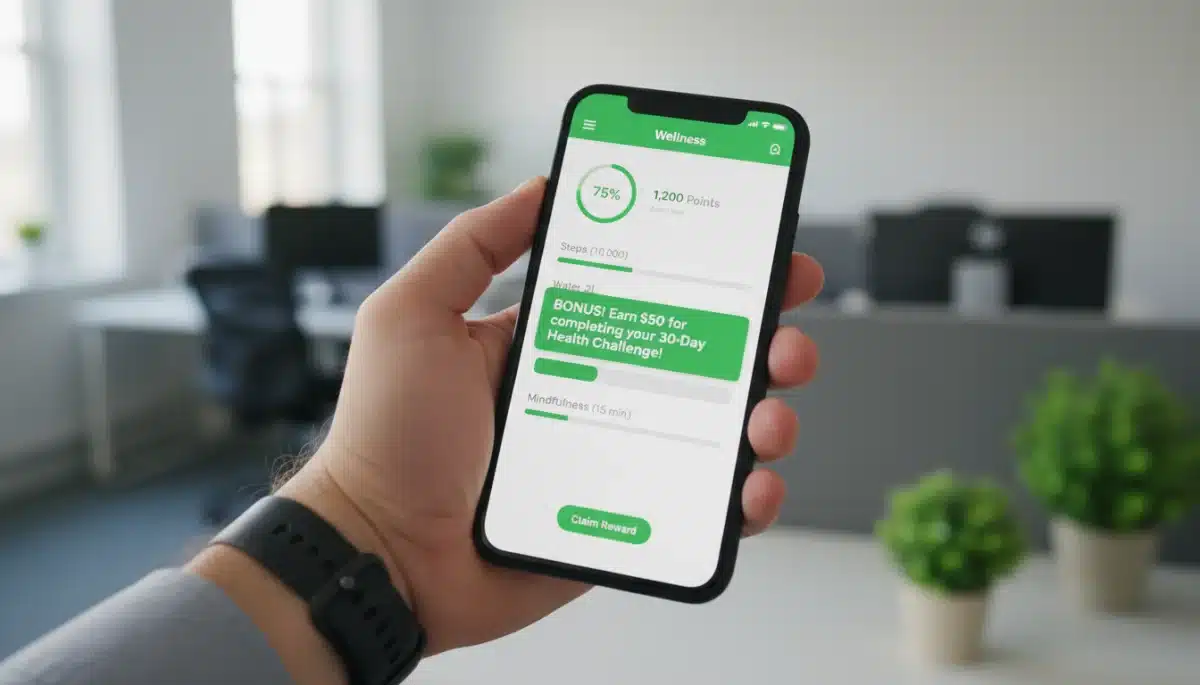
- Utilize Technology: Many programs offer apps or online portals for tracking progress. Use these tools consistently to log activities and monitor your rewards.
Consider forming a wellness buddy system with colleagues. Peer support can provide extra motivation and accountability, making it easier to stick to your goals and ensure you don’t miss out on any incentive opportunities. Remember, consistency is key to unlocking the full financial potential of these programs.
The Broader Health and Financial Impact
While the direct financial incentive of up to $500 is a compelling reason to participate in employer-sponsored wellness programs, the broader health and financial impacts extend far beyond this immediate gain. These programs are designed to foster long-term well-being, which translates into significant indirect financial benefits and an improved quality of life. A healthier employee is less likely to incur high medical costs, experience lost wages due to illness, or face productivity declines.
From a financial perspective, reducing sick days and improving overall health can lead to fewer out-of-pocket medical expenses, lower prescription costs, and potentially more disposable income. The preventative nature of these programs means addressing health issues before they become severe and costly, saving employees money in the long run.
Long-Term Benefits Beyond the $500 Incentive
The cumulative effects of consistent wellness engagement can reshape an employee’s financial and physical health trajectory. These benefits are often less tangible but equally, if not more, impactful than the direct incentives.
- Reduced Healthcare Costs: Proactive health management can significantly decrease future medical expenses and insurance deductibles.
- Increased Productivity and Career Growth: Healthier employees tend to be more energetic, focused, and productive, potentially leading to better career opportunities and higher earnings.
- Enhanced Mental Well-being: Many programs offer mental health resources, which can reduce stress, improve mood, and prevent costly mental health treatments.
Ultimately, the financial impact of employer-sponsored wellness programs is multi-faceted. The immediate $500 incentive is just the tip of the iceberg, paving the way for a healthier lifestyle that yields substantial financial savings and an enriched life over time.
Navigating Program Challenges and Ensuring Success
Despite the numerous benefits, participating in employer-sponsored wellness programs can sometimes present challenges. These can range from time constraints and motivational hurdles to understanding complex program rules. Recognizing these potential obstacles is the first step towards overcoming them and ensuring you successfully earn your health incentives. Employers are also continuously working to refine programs to address common barriers to participation.
One of the primary challenges for many employees is finding the time to engage in wellness activities amidst demanding work schedules and personal commitments. This often requires careful planning and prioritization. Another hurdle can be a lack of initial motivation, especially if health goals seem daunting or the rewards feel distant.
Overcoming Common Obstacles
Successful navigation of wellness programs often involves proactive strategies and leveraging available resources. Don’t let perceived difficulties deter you from achieving your health and financial goals.
- Time Management: Integrate small, achievable wellness activities into your daily routine, like short walks during breaks or quick meditation sessions.
- Leverage Employer Resources: Take advantage of any on-site facilities, virtual classes, or counseling services offered by your employer.
- Seek Support: Engage with colleagues, family, or program coaches for encouragement and accountability.
Furthermore, if you encounter any difficulties understanding the program’s requirements or accessing resources, communicate with your HR department. They are there to support your success and can often provide solutions or alternative options. By proactively addressing these challenges, you can ensure a smoother path to earning your full $500 in incentives and improving your overall well-being.
The Future of Wellness Programs: Trends for 2026 and Beyond
Looking ahead, employer-sponsored wellness programs are poised for even greater integration and innovation. The trends emerging in 2026 indicate a future where wellness is not a separate perk but an intrinsic part of the organizational culture and employee experience. Technology will continue to be a driving force, as will a deeper understanding of individual employee needs and preferences. The goal remains to create healthier, happier, and more productive workforces.
One significant trend is the increasing use of predictive analytics. By analyzing health data (anonymously and with consent), companies can better anticipate health risks and offer targeted interventions, making wellness programs even more effective. This shift towards proactive, personalized care will likely define the next generation of programs.
Emerging Trends and Innovations
The landscape of wellness programs will continue to evolve, offering more sophisticated and tailored approaches to employee health and financial well-being.
- Hyper-Personalization: AI algorithms will create even more customized wellness plans, adapting in real-time to individual progress and preferences.
- Gamification and Social Engagement: Programs will increasingly use game-like elements and social features to boost engagement and foster healthy competition among employees.
- Mental Health Integration: Expect a stronger emphasis on mental health resources, including access to therapy, mindfulness apps, and stress reduction workshops.
- Financial Wellness Focus: Beyond health incentives, programs will integrate financial literacy and planning tools, recognizing the profound impact of financial stress on overall well-being.
These future trends suggest that employer-sponsored wellness programs will become even more valuable, offering greater opportunities for employees to improve their health and financial standing. Staying informed about these developments will be crucial for maximizing your benefits in the years to come.
| Key Aspect | Brief Description |
|---|---|
| Program Evolution | Shift to holistic, data-driven, and personalized wellness initiatives by 2026. |
| Financial Incentives | Opportunity to earn up to $500 through various rewards like premium reductions or HSA contributions. |
| Maximizing Participation | Understand program rules, set realistic goals, and use technology for consistent engagement. |
| Broader Impact | Beyond direct cash, benefits include reduced healthcare costs and improved productivity. |
Frequently Asked Questions About Wellness Programs
These are company-provided initiatives designed to promote employee health and well-being, encompassing physical, mental, and financial aspects. By 2026, they are often personalized, tech-driven, and offer financial incentives for participation and achieving health goals.
You can earn incentives by participating in various activities like health assessments, fitness challenges, mental health workshops, or preventive screenings. Rewards typically include health insurance premium reductions, HSA contributions, gift cards, or direct cash bonuses.
Generally, cash incentives and gift cards are considered taxable income. However, certain benefits like reduced health insurance premiums or HSA contributions might have different tax implications. It’s always best to consult with a tax professional for personalized advice.
Qualified activities vary by employer but commonly include health risk assessments, biometric screenings, participation in smoking cessation programs, weight management initiatives, fitness challenges, and stress reduction workshops. Check your specific program details for a full list.
Information about your employer’s wellness program is typically available through your HR department, employee benefits portal, or internal communications. They can provide details on eligibility, activities, incentive structures, and how to enroll.
Conclusion
The landscape of employer-sponsored wellness programs in 2026 offers a compelling opportunity for employees to significantly impact both their health and financial well-being. With the potential to earn up to $500 in incentives, these programs are more than just a perk; they are a strategic investment in a healthier, more productive workforce. By actively engaging, understanding the incentive structures, and overcoming potential challenges, employees can unlock substantial financial rewards while embarking on a journey towards improved overall health. As these programs continue to evolve with technological advancements and a holistic approach, their value to employees is set to grow even further in the years to come.
