Medicare Part D 2026: Key Prescription Drug Coverage Changes

Anúncios
The year 2026 introduces pivotal changes to Medicare Part D, primarily aiming to cap out-of-pocket prescription drug costs and simplify benefit structures for beneficiaries across the United States.
Anúncios
As we approach 2026, it’s essential for millions of Americans to grasp the significant transformations coming to their prescription drug coverage. Understanding Medicare Part D in 2026: Key Changes Affecting Prescription Drug Coverage (RECENT UPDATES) is not just about knowing new rules; it’s about proactively managing your health and finances. These updates are designed to bring both relief and new considerations for beneficiaries, making informed decision-making more crucial than ever.
The Evolution of Medicare Part D: A Brief Overview
Medicare Part D, established in 2006, revolutionized how seniors and individuals with disabilities access prescription medications. It aimed to provide crucial financial assistance for drug costs, a significant burden for many. Over the years, Part D has seen various adjustments, striving to balance affordability for beneficiaries with the sustainability of the program.
Anúncios
These past changes have laid the groundwork for the comprehensive reforms slated for 2026. Understanding this historical context helps appreciate the magnitude and intention behind the upcoming shifts, which are largely influenced by legislative efforts to reduce out-of-pocket expenses and improve drug price transparency.
Key Milestones Leading to 2026 Reforms
Several legislative actions and policy adjustments have shaped Medicare Part D, leading to its current structure and the impending 2026 changes. These milestones often addressed rising drug costs and aimed to offer more predictable expenses for beneficiaries.
- Initial Implementation (2006): Introduced a voluntary prescription drug benefit.
- Affordable Care Act (2010): Began closing the ‘donut hole’ or coverage gap.
- Inflation Reduction Act (IRA) (2022): Set the stage for major reforms, including the $2,000 out-of-pocket cap.
The journey of Medicare Part D reflects an ongoing effort to adapt to the healthcare landscape and the needs of an aging population. Each modification has sought to enhance access to necessary medications while managing the financial implications for both individuals and the federal program.
The Landmark $2,000 Out-of-Pocket Cap
Perhaps the most significant change coming to Medicare Part D in 2026 is the introduction of a $2,000 annual cap on out-of-pocket prescription drug costs. This is a monumental shift designed to protect beneficiaries from exorbitant drug expenses, a concern that has plagued many for years. This cap means that once an individual reaches $2,000 in out-of-pocket spending, they will not pay any more for covered Part D drugs for the remainder of the year.
This new limit offers unprecedented financial predictability and relief, especially for those managing chronic conditions requiring expensive medications. It fundamentally alters the risk profile for beneficiaries, providing a clear ceiling on annual drug costs, a long-sought objective for many healthcare advocates.
Impact on Catastrophic Coverage Phase
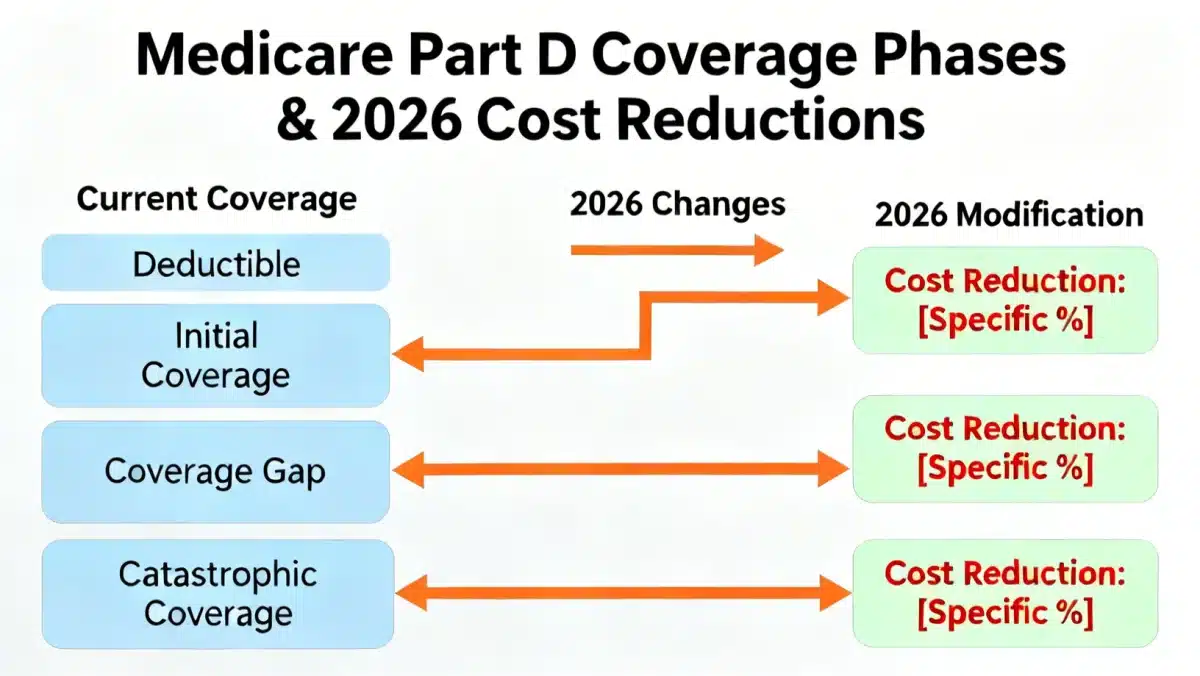
The $2,000 out-of-pocket cap directly impacts the catastrophic coverage phase of Medicare Part D. Currently, in this phase, beneficiaries pay a small coinsurance or co-payment for their drugs. After 2026, once the $2,000 threshold is met, beneficiaries will have no further out-of-pocket costs in the catastrophic phase.
This elimination of cost-sharing in the catastrophic phase is a game-changer. It ensures that even the most expensive drug regimens become entirely covered once the annual limit is reached, providing immense peace of mind and financial security for those with high prescription needs. This change is expected to significantly reduce financial burdens and improve adherence to critical medications.
Simplified Cost-Sharing and Deductibles
Beyond the out-of-pocket cap, 2026 will also usher in a more streamlined approach to cost-sharing and deductibles within Medicare Part D plans. The aim is to make the program easier to navigate and understand for beneficiaries, reducing confusion and administrative hurdles. While specific plan designs will still vary, the underlying framework will be standardized to a greater extent.
This simplification is not merely about convenience; it’s about empowering beneficiaries to make more informed choices about their prescription drug coverage. When cost structures are clearer, individuals can better compare plans and select one that best fits their unique medication needs and financial situation.
Understanding the New Deductible Structure
While the exact deductible amounts may fluctuate annually, the structure itself is set to become more consistent. The goal is to minimize the complexity often associated with deductibles, which can be a significant barrier for beneficiaries when estimating their annual drug costs. Some plans may even offer $0 deductibles for certain tiers of drugs, particularly generics, to encourage adherence and reduce initial out-of-pocket expenses.
Beneficiaries should pay close attention to their plan’s specific deductible details during the annual enrollment period. Even with simplification, understanding how your chosen plan applies its deductible to different drug tiers will be crucial for effective budget planning. The emphasis will be on transparency, allowing for easier comparison.
Expanded Low-Income Subsidy (LIS) Eligibility
Another vital update in 2026 involves the expansion of eligibility for the Low-Income Subsidy (LIS) program, also known as ‘Extra Help.’ This program provides financial assistance to help Medicare beneficiaries with limited income and resources pay for their Part D premiums, deductibles, and co-payments. The expansion will allow more individuals to qualify for this essential support.
This change is particularly impactful for those on the cusp of previous income thresholds, as it broadens the safety net for vulnerable populations. By increasing access to LIS, the government aims to ensure that financial constraints do not prevent individuals from accessing necessary prescription medications, thereby improving health equity.
Benefits of Expanded LIS Eligibility
The expansion of LIS eligibility will provide several key benefits to a wider range of Medicare beneficiaries:
- Reduced Premiums: Many eligible individuals will see their monthly Part D premiums significantly lowered or entirely eliminated.
- Lower Deductibles: LIS can reduce or eliminate the annual deductible for prescription drugs.
- Minimal Co-payments: Beneficiaries will pay only small co-payments or coinsurance for their medications, even in the catastrophic phase.
- Continuous Coverage: The program helps maintain consistent access to medications by reducing financial barriers.
For those who qualify, LIS can transform the affordability of prescription drugs, making healthcare more accessible and manageable. It’s a critical component of the 2026 Medicare Advantage Plans: Key Updates for Open Enrollment designed to alleviate financial strain on beneficiaries.
Inflation Rebates and Drug Price Negotiation
The 2026 changes to Medicare Part D are also influenced by broader efforts to control prescription drug costs through inflation rebates and direct drug price negotiation. While these mechanisms primarily impact drug manufacturers and the federal government, their effects trickle down to beneficiaries in the form of potentially lower prices and more stable plan costs.
The government’s ability to negotiate drug prices for Medicare will become more robust, targeting some of the most expensive medications. This strategic approach aims to leverage Medicare’s purchasing power to drive down costs, ultimately benefiting taxpayers and beneficiaries alike by making the Part D program more sustainable and affordable in the long run.
How Negotiations Affect Your Wallet
While beneficiaries won’t directly participate in price negotiations, the outcomes can still positively influence their out-of-pocket expenses. Lower negotiated prices for certain drugs can lead to:
- Reduced Co-payments: Plans may be able to offer lower co-payments for drugs with negotiated prices.
- More Affordable Premiums: Overall cost savings for the program can help stabilize or even reduce Part D plan premiums.
- Greater Access to Medications: As drugs become more affordable, plans might be able to include a broader range of medications on their formularies.
These initiatives represent a significant shift in pharmaceutical pricing dynamics within Medicare, promising a future where drug costs are more actively managed and controlled for the benefit of all stakeholders.
Preparing for the 2026 Changes: What You Can Do
With such substantial changes on the horizon for Medicare Part D in 2026, proactive preparation is key. Beneficiaries should not wait until the last minute to understand how these updates will affect their individual situations. Taking steps now can ensure a smooth transition and help you maximize your benefits under the new system.
Staying informed and reviewing your options carefully will be crucial. The landscape of prescription drug coverage is evolving, and adapting your strategy accordingly will safeguard your health and financial well-being.
Essential Steps for Beneficiaries
To navigate the upcoming changes effectively, consider these actionable steps:
- Review Your Current Plan: Understand your existing Part D coverage, including your typical annual costs and the drugs you take.
- Stay Informed: Follow official Medicare announcements and reputable healthcare news sources for specific details as they emerge.
- Consult with Experts: Talk to a Medicare counselor, pharmacist, or trusted insurance agent about how the changes might impact your specific medications and financial situation.
- Compare Plans Annually: During the Annual Enrollment Period (AEP), carefully compare all available Part D plans, paying close attention to formularies, premiums, deductibles, and co-pays under the new 2026 rules.
- Utilize Extra Help: If you believe you might qualify for expanded Low-Income Subsidies, explore applying for ‘Extra Help’ to reduce your drug costs significantly.
By taking these steps, you can ensure you are well-prepared for the 2026 changes and continue to receive the best possible prescription drug coverage through Medicare Part D.
| Key Change | Impact on Beneficiaries |
|---|---|
| $2,000 Out-of-Pocket Cap | Limits annual drug spending, eliminating catastrophic phase costs. |
| Simplified Cost-Sharing | More straightforward deductibles and co-payments across plans. |
| Expanded LIS Eligibility | More low-income individuals qualify for ‘Extra Help’ with drug costs. |
| Drug Price Negotiation | Potential for lower drug costs and stable premiums due to government negotiation. |
Frequently Asked Questions About Medicare Part D 2026
The most significant change is the new $2,000 annual out-of-pocket cap for prescription drug costs. Once you reach this limit, you will pay nothing for covered Part D drugs for the rest of the year, providing substantial financial relief and predictability.
The $2,000 out-of-pocket cap effectively eliminates cost-sharing in the catastrophic coverage phase. Once you spend $2,000 out-of-pocket, you will no longer have any co-payments or coinsurance for your prescription drugs for the remainder of the plan year.
The expanded LIS eligibility benefits more Medicare beneficiaries with limited income and resources. It means more people will qualify for ‘Extra Help’ to cover their Part D premiums, deductibles, and co-payments, making essential medications more affordable.
While you won’t directly negotiate prices, government negotiations with drug manufacturers are expected to lead to lower drug costs. This can result in reduced co-payments for certain medications and potentially lower Part D plan premiums for beneficiaries over time.
To prepare, review your current Part D plan, stay informed about official Medicare updates, and compare plans carefully during the Annual Enrollment Period. Consider consulting a Medicare counselor to understand how the new rules will specifically impact your coverage.
Conclusion
The comprehensive changes coming to Medicare Part D in 2026 mark a significant evolution in prescription drug coverage for millions of Americans. From the landmark $2,000 out-of-pocket cap to expanded Low-Income Subsidies and the impact of drug price negotiations, these reforms are designed to provide greater financial protection and simpler access to essential medications. Understanding these updates is paramount for beneficiaries to navigate the evolving landscape effectively. By staying informed and proactively reviewing their options, individuals can ensure they are well-positioned to take full advantage of the benefits and protections offered by the new Medicare Part D framework, ultimately fostering better health outcomes and financial peace of mind.